HISTORICAL DECK · 17TH–18TH C.
Tarot of Marseilles
Quick Answer
The Tarot of Marseilles is the classic European root of Tarot (17th–18th century). Known for bold woodcut art, primary colors, and geometric Minor Arcana pips, it emphasizes pure numerology, visual gazes between cards, and uncluttered archetypal clarity.
- Era & Tradition
- 17th–18th c. · Classic French Woodcut Tradition
- Approach
- Archetypal, numerological & open-reading
- Best For
- Readers seeking historical purity, numerology & psychological clarity
Iconic Cards from Tarot of Marseilles
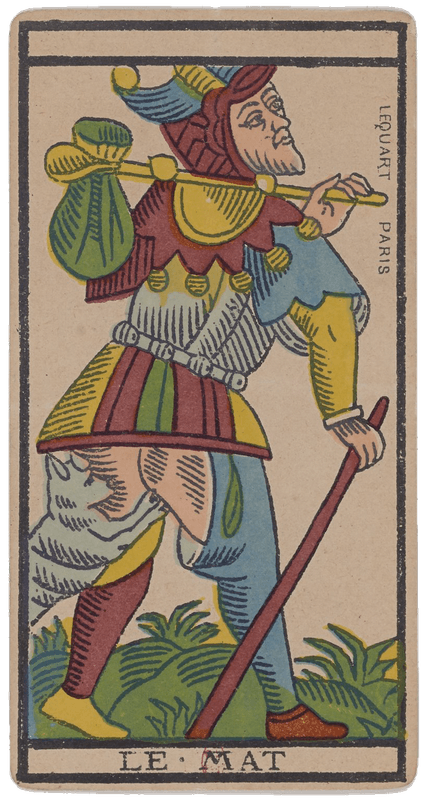
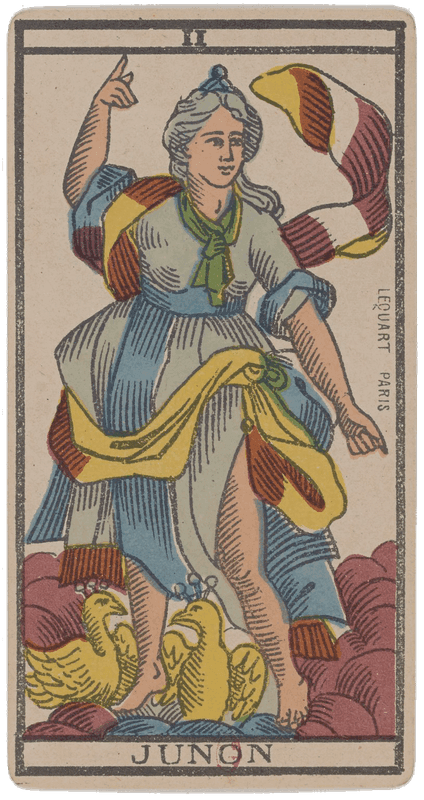
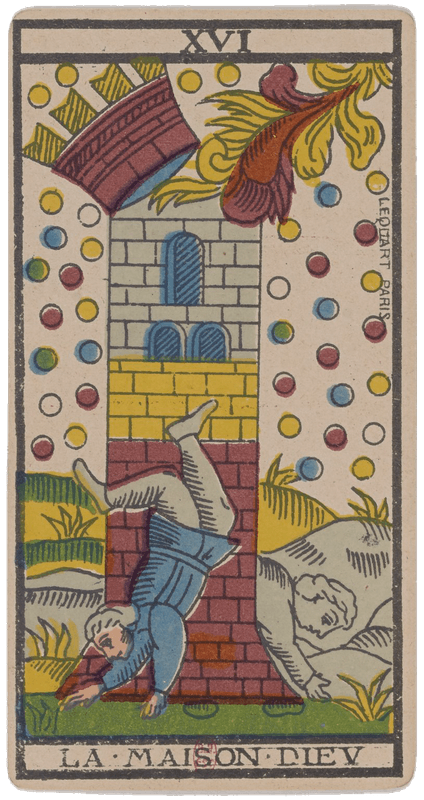
The Historical Root of European Tarot
Rooted in Northern Italy and refined by master French woodcutters in Marseilles (such as Nicolas Conver), the Tarot of Marseilles predates modern occult decks by centuries. Rather than dictating a single narrative scene on every card, it acts as a clean symbolic mirror.
Traditional Marseilles reading pays close attention to where figures gaze, how primary colors (red, blue, yellow) echo across a spread, and how numbers 1 through 10 interact with the four suits. On Tarottino AI, choosing Marseilles shifts the reading engine to honor this exact continental tradition instead of defaulting to Rider-Waite tropes.
Core Pillars of a Marseilles Reading
- 01Geometric Minor Arcana pips interpreted through clean suit + number synthesis.
- 02Visual lines of sight and posture dialogues between adjacent cards.
- 03Primary color symbolism (vital red, receptive blue, solar yellow) without Victorian clutter.
- 04Classic ordering with Justice (VIII) and Strength (XI).
How It Differs From the Other 3 Decks on Tarottino
Generic AI chatbots flatten every deck into Rider-Waite imagery. Tarottino explicitly injects the Marseilles philosophical framework when you choose this deck, highlighting sacred numerology, structural contrasts, and classical symbolism.
Frequently Asked Questions
How do you read Tarot of Marseilles Minor Arcana without illustrated scenes?
Why do lines of sight (gazes) matter so much in Marseilles spreads?
Why is Justice VIII and Strength XI in Tarot of Marseilles?
Do Marseilles readers use reversed cards?
How does Tarottino interpret Marseilles differently from generic AI chatbots?
Start a Tarot of Marseilles Reading
Experience classic European symbolism with Tarottino's structured 4-layer reading and contextual follow-up chat.
Explore the other traditions on Tarottino
1909
Rider-Waite-Smith
The most iconic modern deck, featuring detailed narrative scenes across all minor and major arcana.
1889
Oswald Wirth
The apex of French hermetic esotericism, infused with alchemical, kabbalistic, and masonic symbolism.
c. 1450
Visconti-Sforza Tarot
The oldest surviving Italian Renaissance deck. Gold-leaf court miniatures and geometric pips (4 historically lost cards completed with classic Marseilles).