HISTORICAL DECK · 1909
Rider-Waite-Smith Tarot
Quick Answer
Published in London in 1909 by Arthur Edward Waite and illustrated by Pamela Colman Smith, the Rider-Waite-Smith (RWS) deck is the modern foundation of Tarot reading. It was the first widely published deck to feature full narrative scenes on all 56 Minor Arcana, making it ideal for intuitive and psychological readings.
- Year & Creators
- 1909 · A. E. Waite & Pamela Colman Smith
- Tradition
- Narrative, psychological & Golden Dawn
- Best For
- Intuitive readings, camera spread scanning & clear storytelling
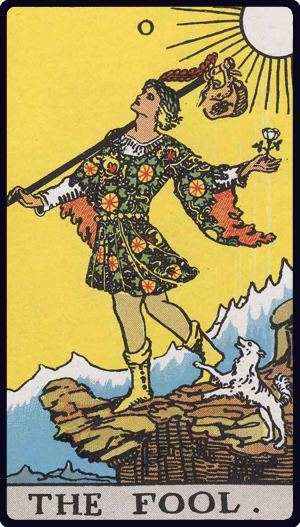
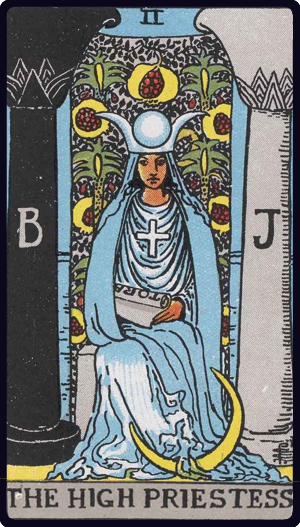
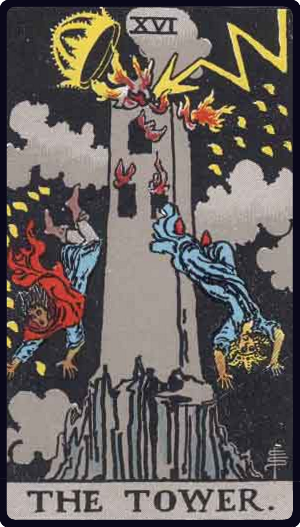
Iconic Cards from Rider-Waite-Smith
History & Symbolic Revolution
Before 1909, most Tarot decks followed the continental European style (such as Tarot of Marseilles), where Minor Arcana cards displayed geometric pips rather than human scenes. Drawing on Hermetic Order of the Golden Dawn teachings, Arthur E. Waite commissioned Pamela Colman Smith to turn every single card into a vivid theatrical vignette.
That shift transformed Tarot forever: readers could immediately sense emotional tension, posture, landscapes, and recurring visual motifs without relying purely on rote numerology. Today, Rider-Waite-Smith remains the primary visual benchmark for both physical decks and Tarottino AI's camera spread scanner.
Core Pillars of a Rider-Waite Reading
- 01Full illustrated scenes across all 78 cards, making Minor Arcana nuances immediately tangible.
- 02Golden Dawn ordering with Strength as VIII and Justice as XI for astrological alignment.
- 03Consistent visual grammar: skies, rivers, mountains, and colors act as emotional signposts.
- 04Balances classic archetypal depth with accessible modern psychological reflection.
How It Differs From the Other 3 Decks on Tarottino
Compared to Tarot of Marseilles and Visconti-Sforza (which focus on pure numerology and classical pip symmetry), Rider-Waite tells explicit stories. Compared to Oswald Wirth (rich in French alchemy and Kabbalah), RWS offers the clearest bridge into everyday decisions and relationship dynamics.
Frequently Asked Questions
Why is the 1909 Rider-Waite-Smith deck still the global standard?
Why did Rider-Waite swap Strength (VIII) and Justice (XI)?
Do I have to read reversed cards with Rider-Waite-Smith?
Should a beginner start with Rider-Waite or Tarot of Marseilles?
Can Tarottino scan modern decks inspired by Rider-Waite-Smith?
Start a Rider-Waite-Smith Reading
Draw digitally or photograph your physical spread for a structured 4-layer reading: Overall Theme, Cards, Connections, and Synthesis.
Explore the other traditions on Tarottino
17th-18th c.
Tarot of Marseilles
The historical European foundation with woodcut aesthetics, primary colors, and geometric pips.
1889
Oswald Wirth
The apex of French hermetic esotericism, infused with alchemical, kabbalistic, and masonic symbolism.
c. 1450
Visconti-Sforza Tarot
The oldest surviving Italian Renaissance deck. Gold-leaf court miniatures and geometric pips (4 historically lost cards completed with classic Marseilles).